
Welcome to our 2025 rewind - marking the fifth year of the ANU School of Cybernetics. Below, we’ve written about some of our favourite experiences and achievements, gathered into the themes that shaped our year.
AI Literacy
2025 has been for many people, places, and organisations, the year of AI. Here at the ANU School of Cybernetics we have been researching, analysing, and interrogating AI to lead in AI literacy. This year we’ve welcomed teachers, high school students, public servants, and participants of SXSW through My First LLM, a new hands-on workshop that demonstrates how large language models work.
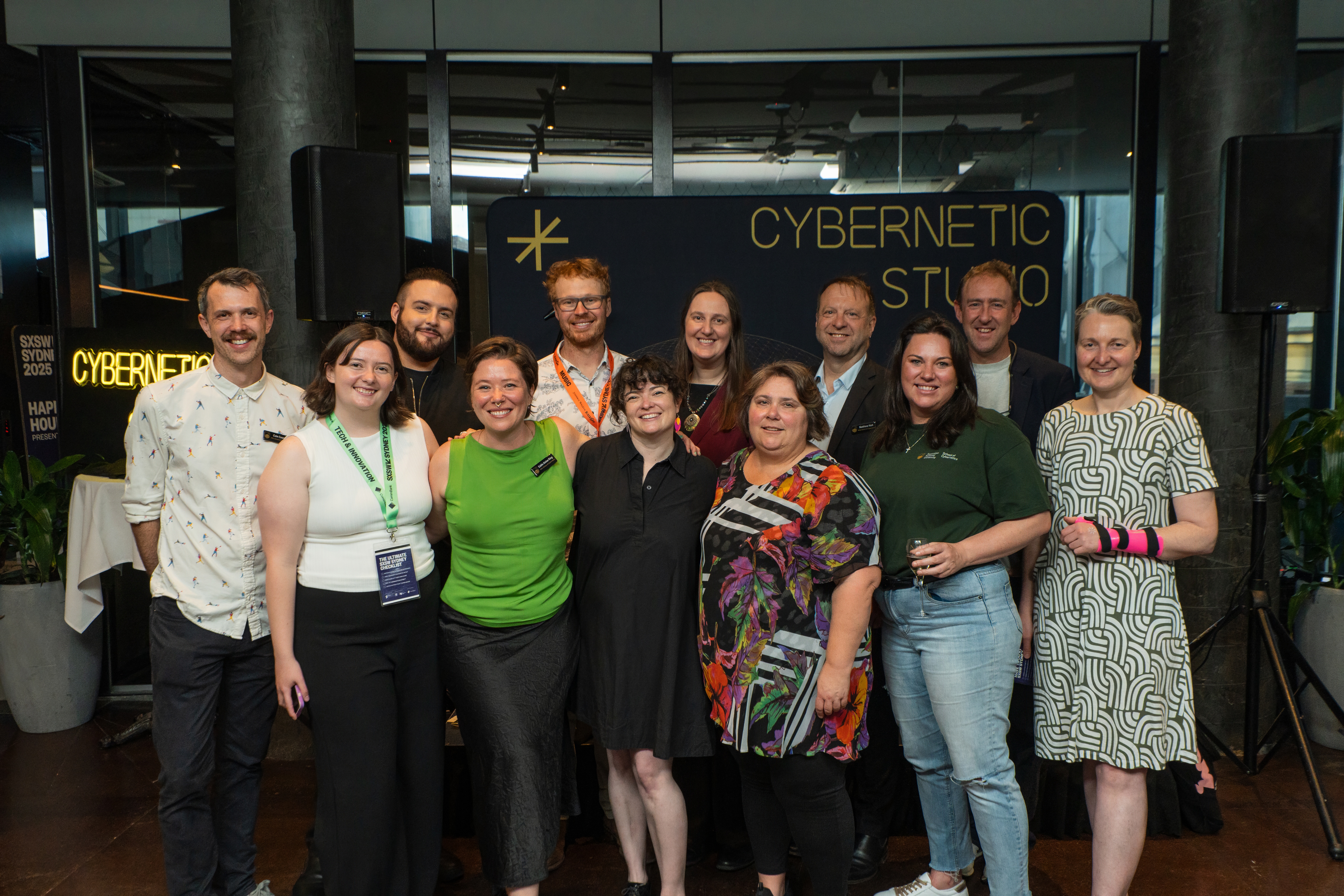
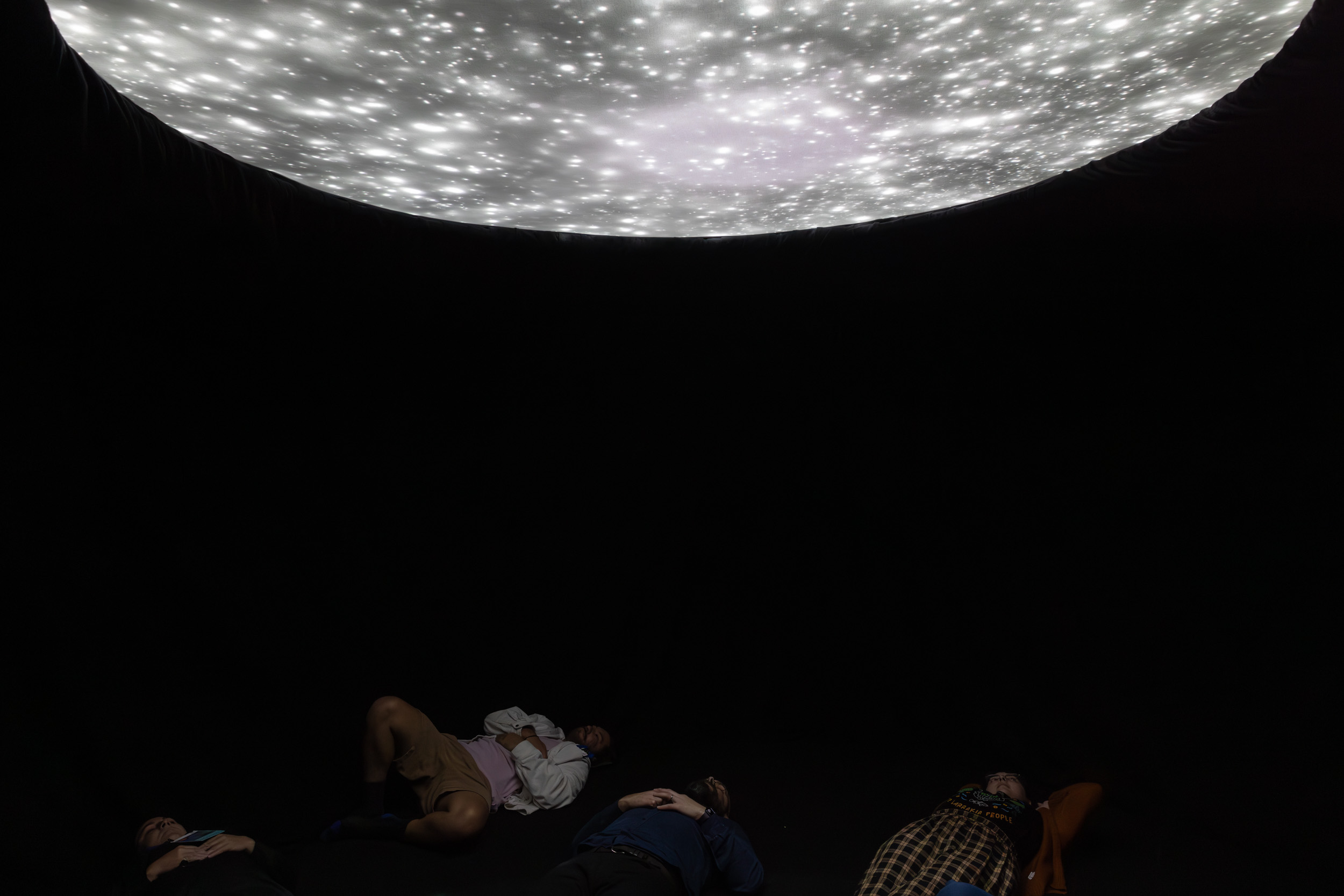
A particular highlight from this year was launching our Cybernetic Studio at SXSW Sydney. Cybernetic Studio is a creative research space that is bringing AI to a Human-Scale, inviting us to slow down and look closer: to make the workings of computation tangible, perceptible, and open to reflection.
Our work has contributed to AI literacy across many formats and audiences including Chris Danta’s academic essay ‘Dear AI Reader’, Kathy Reid’s presentation to technical experts on ‘Token Wars’, and Jess Herrington’s popular news media commentary on AI and creativity. As the year draws to a close, we direct our attention towards the National AI Plan as a guiding force for Australia in the new year.

Teaching and Education
This year has been a milestone for our teaching and educational programs. 2025 is the 5th year of the School of Cybernetics (our official birthday is January 1st) and we are very pleased to announce our flagship degree the Master of Applied Cybernetics has passed a thorough review and been reaccredited for another 5 years. Notes from this review announce this course is “Absolutely exemplary”, “Systems thinking in governance is essential”, and that more Universities “ought to be teaching this”.
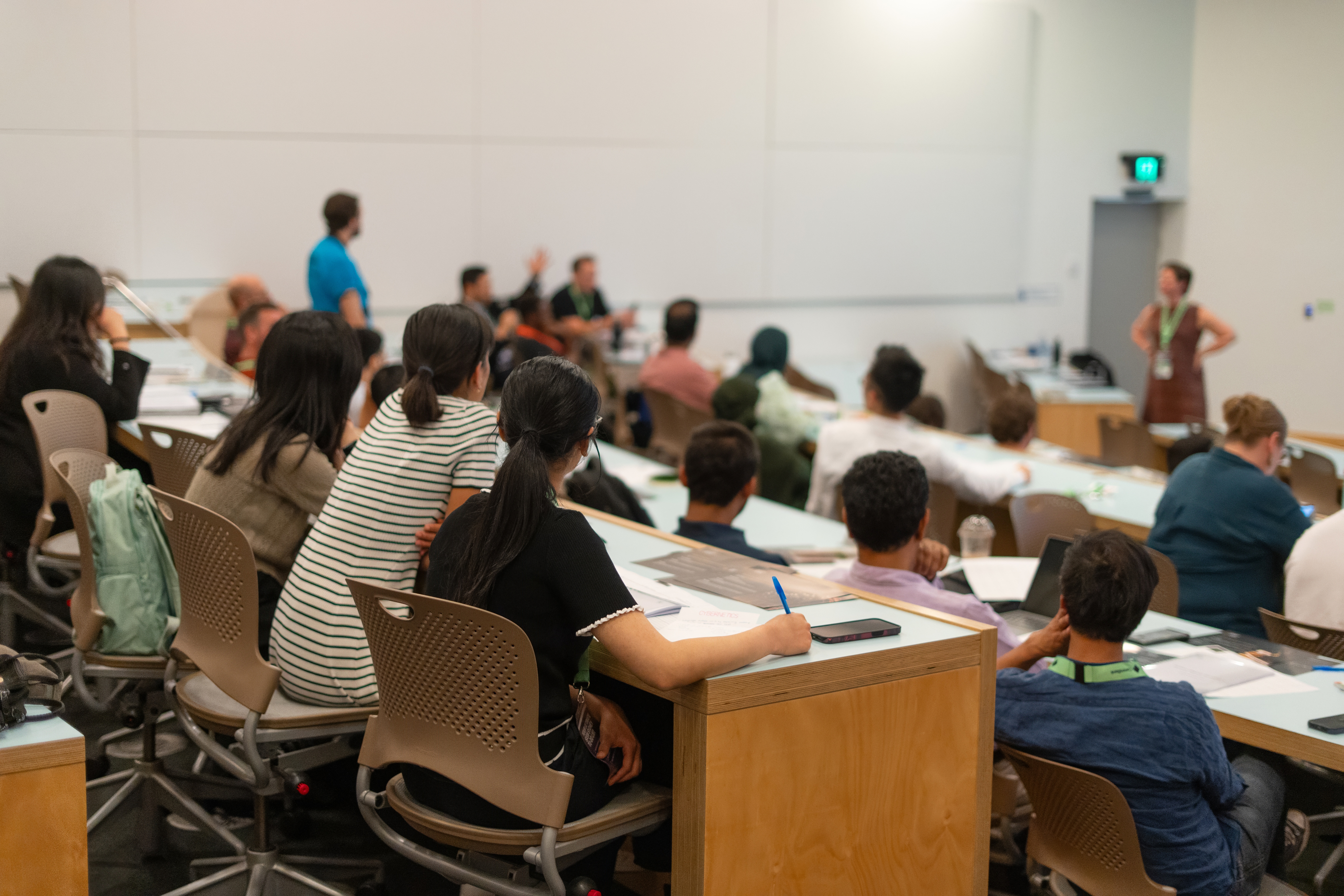
Our other teaching offerings have expanded this year, we’ve seen hundreds of participants come through our LX programs including many participants from within our public service. Additionally, this year we have stepped into the undergraduate teaching space at ANU through the McCusker Institute, delivering 6 unique KNoTs (to Know the Nature Of Things..) through the interdisciplinary SoCIETIE Initiative.
International Collaboration
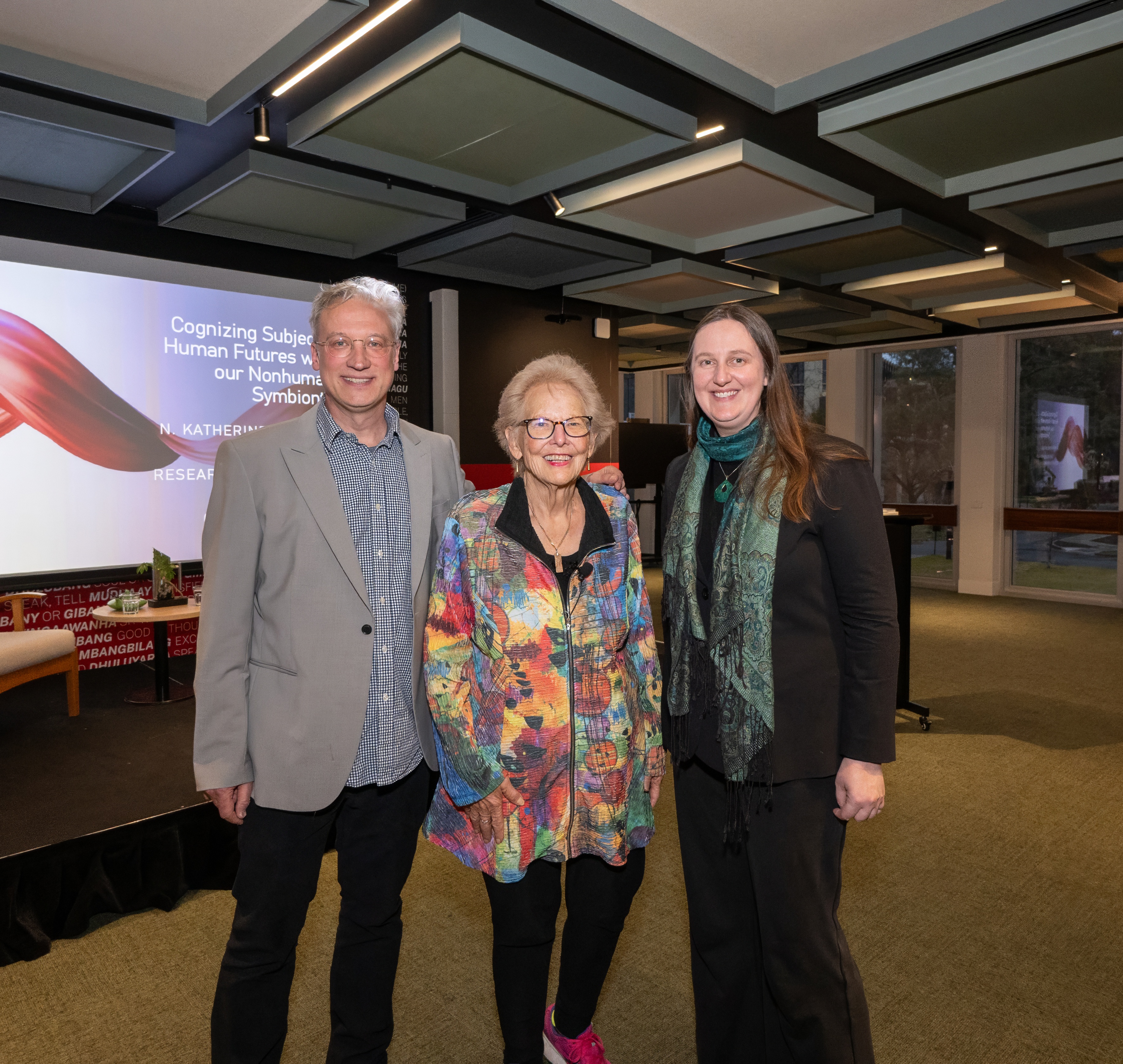
We’ve welcomed some extraordinary guests to Canberra this year and have ourselves visited some great places. A highlight of this year was our visit from American Distinguished Professor N. Katherine Hayles, whose trip was supported through Professor Chris Danta’s ARC Future Fellowship. Hayles’ work combats anthropocentrism (centering of humans) through highlighting other nonhuman perspectives that can contribute to more positive futures.
This theme of positive futures continued in our own travels overseas, with Professor Katherine Daniell’s trip to the World Economic Forum’s Annual Meeting of the New Champions to talk about the Top 10 Emerging Technologies of 2025. Daniell worked with international collaborators to investigate examples from emerging technological trends including trust and safety in a connected world, next-generation biotechnologies for health, redesigning industrial sustainability, and integrating energy and materials.
Professor Angie Abdilla’s contribution to the inaugural International AI Safety Report involved collaborating with over 100 writers from 30 countries worldwide to release the first comprehensive review of scientific research on the capabilities and risks of general-purpose AI systems.
We were also delighted to host James Plunkett from the UK to hold a partnered Governing Human Roundtable with the Australia and New Zealand School of Government (ANZSOG).
These huge international collaborative events only enhance the work done by our entire school community in this space, read on below to find out more about where in the world our PhD students have spread their work.

Student Achievements
2025 has been a huge year for our students, who have achieved so much. A joyous milestone here is that this year we have received the first thesis submissions from our PhD cohort, and we have had two of our PhD students pass their examinations. This is incredible news for the latest cohort of cyberneticians, and we’ve got even more to come.
Among these incredible PhD milestones, we are also celebrating another year of international collaboration and research with our PhD cohort submitting, presenting, and sending their work all over the world.

AI and Creativity
Earlier in this wrap-up we spoke about 2025 being a year full of AI, and one topic that we have seen a lot of public interest in has been AI and Creativity. Futures Specialist Jess Herrington has featured across a variety of news media sites, research articles, and conference events to talk about AI and art, the metaverse, and creativity.
We also saw a huge variety of interest in these topics across both AI industry and the public service, with events such as AI in Action with Sean Williams and Innovation Month spotlighting these conversations.

Responding to Challenges
Responding to the challenges and public interest of this contemporary time is something we do frequently. Earlier in the year our efforts in innovative education were recognised through becoming finalists in the Australian Financial Review’s AI in Awards for Research and Education.
Expert opinion pieces on the social, environmental, and cultural aspects of technology have become a mainstay for us in news media. We’ve appeared in variety of different news outlets across radio, television, print, and online news media. Topics that we spoke about included AI agents understanding Australian accents, data centre water use, climate change communication, AI companions, AI clones, AI therapy and self-help bots.
Our 2025 Cybernetic Imagination Residents Tony Briggs and David Pledger respond to the challenges of today through their speculative project Tomorrow’s Pasts which challenges Australia’s mainstream colonial history by presenting an alternate First Nations history, a history that imagines inclusive futures based on First Nations principles.
Future-Focused Expertise
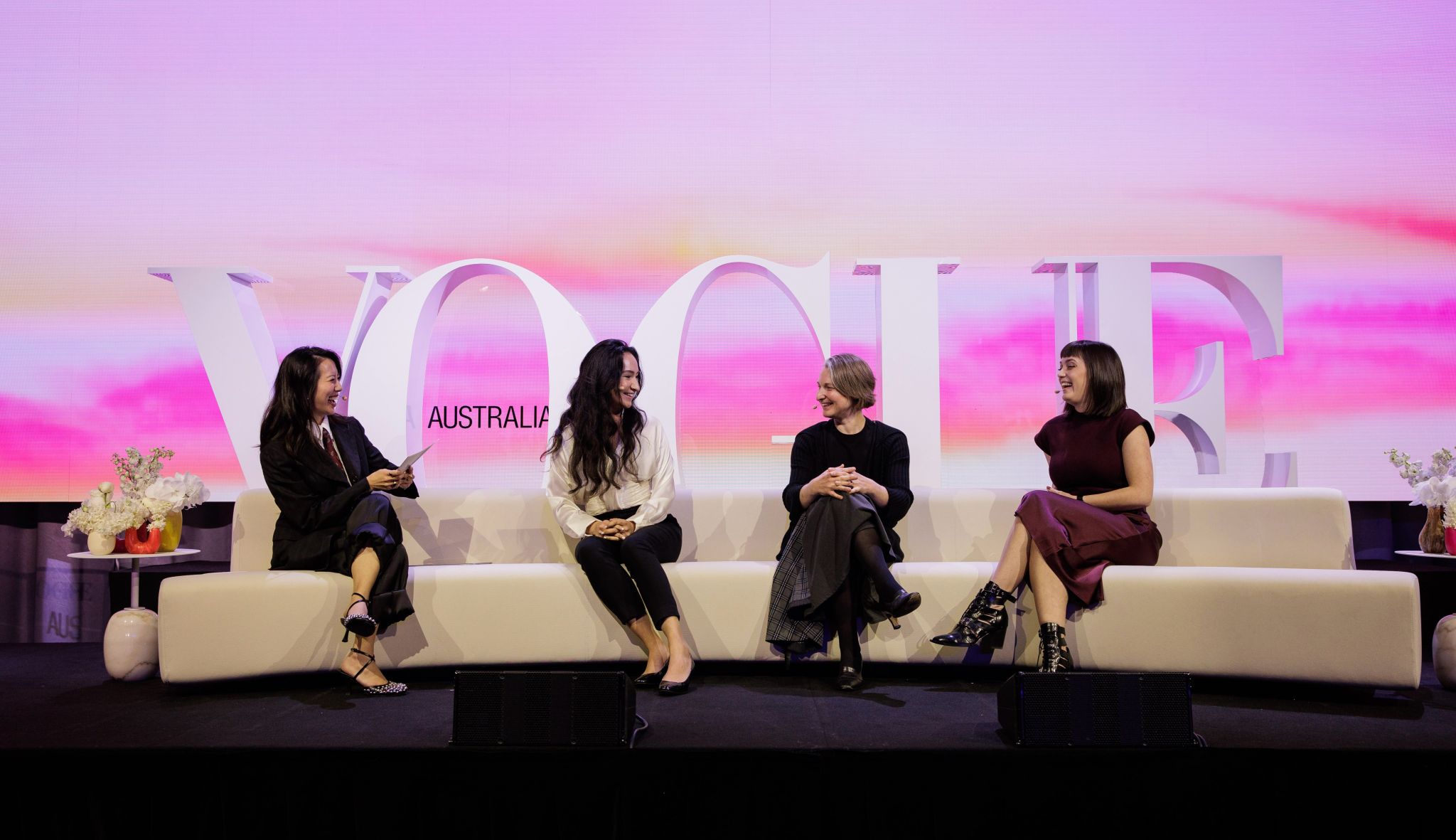
As a future focused school, future jobs are an area of expertise for us. This year we saw our Associate Professor Amy McLennan take to the stage at Vogue Codes to talk about ‘future-proofing your career for the next big leap in STEM’.
We collaborated with the AI CoLab in partnership with NSC Futures Hub to contribute to critical discussions around the future of the Australian Public Service. Another incredible collaboration we held with NSC Futures Hub was a full-day threatcasting workshop with CBA, led by Brian David Johnson.
We created gameful experiences for hopeful futures, using hands-on interactive gameplay to help us (and our game players) understand and steer the complex systems we inhabit towards safe, responsible and sustainable futures.
In interrogating the histories of science, technology, and large-scale systems we inform our understanding of present and future systems, our work in Australian telegraphy does this through looking at nineteenth-century telegraphy as a cybernetic system.
This year we also we leading contributors on an Early Warning Systems White Paper, writing alongside WEF and World Meteorologic Organization authors. Early warning systems are becoming increasingly important as people deal with the impacts of more frequent, severe and variable extreme weather events.
Alumni and Creative Impact
Our previous Cybernetic Imagination Residents have been in the spotlight this year with Kate Crawford and Angie Abdilla both having pieces in the Museum of Contemporary Art Australia’s Data Dreams and AI exhibition, and Lynette Wallworth releasing her film Edge of Life successfully in Cinemas.
Our alumni have been visible this year, from Jacob Choi starring in the ABC series ‘First Generation’ which highlights people from the Asia-Pacific who built new lives and forged their own path in Australia, to Alison Kershaw recognised with the 2026 National Science Week Unsung Hero of Science Communication Award, to Eryk Salvaggio’s deep reflection on the necessity of human literacy in an AI literate world.
2025 has been an enormous year for us and our community. We thank everyone who contributed to our journey - here’s to the next five years of exploration, creativity, and systems thinking
Since our School’s inception in January 2021, we’ve come so far, reflect through our previous end-of-year wraps below for a trip down memory lane:
2024 -> 2023 -> 2022 -> 2021
We’ll be taking a break on 19 December and returning on 9 January, we look forward to seeing you again in 2026!