Human-Scale AI is the theme for the Studio’s 2025/2026 activities. We interact
with computational devices more than ever, and understand their workings less
than ever. Miniaturisation has been so successful that you can no longer look at
a computer in action and see anything of what it is doing. Large language models
widen the gap again: now we can talk to our machines, and they can answer back,
but the fluency hides an enormous amount of arithmetic that we never see.
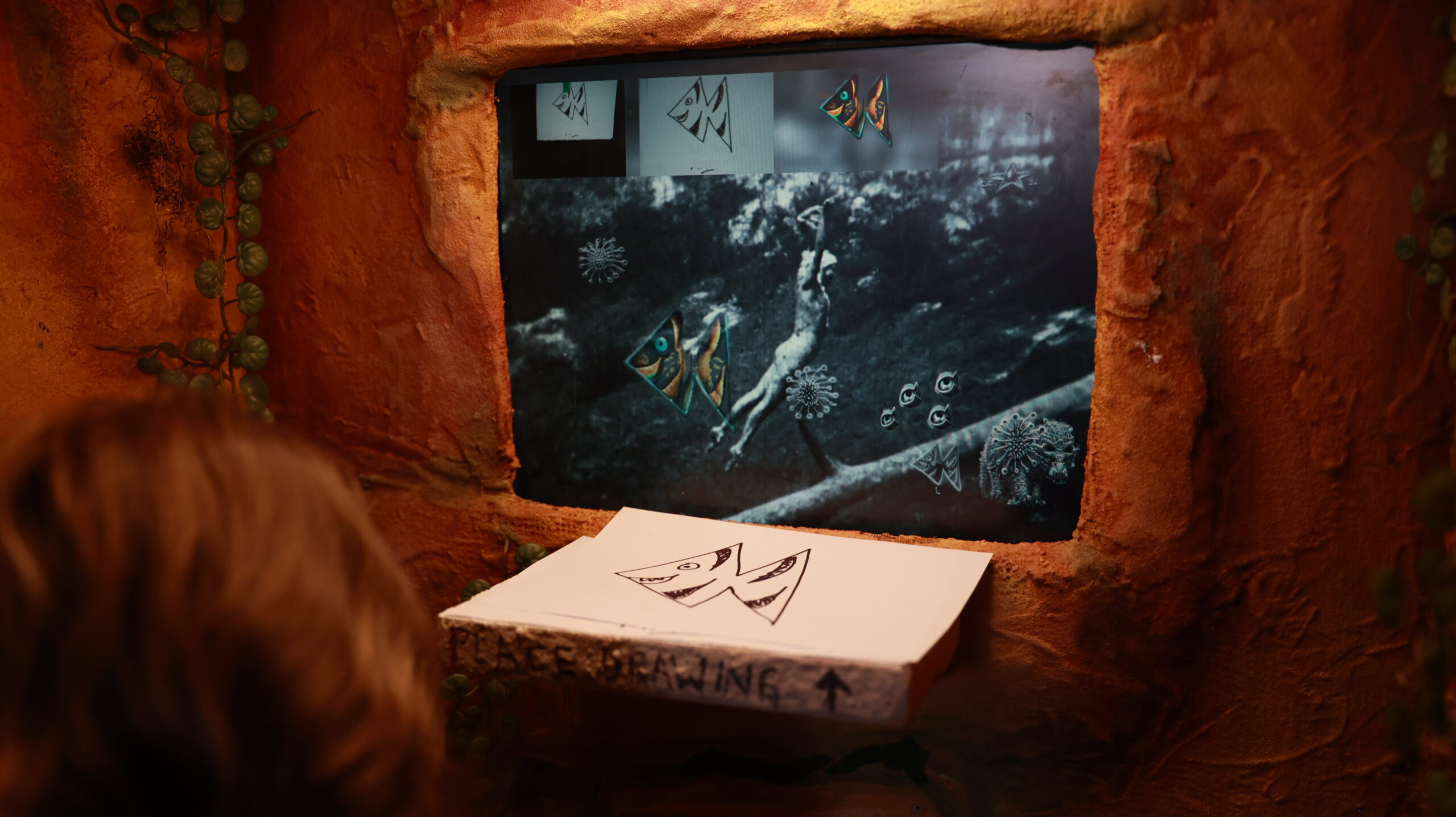
The Studio’s wager is that this computation can be slowed down and blown up until
it returns to human scale. The claim is grounded in cybernetics’ long history of
hands-on experimentation, in the “mangle of practice” where knowledge gets made
by building things. Human sense perception is extraordinary. Bring AI within its
range, and we can turn all of it on the problem, looking and listening our way
toward an understanding that abstraction usually denies us.
None of this will let you see the matrix scrolling in neon-green-on-black, and
that was never the goal. Even a glimpse of computation at human scale helps us
orient to the way it flows around and through us when we cannot see it at all. By
making and using human-scale AI systems, we get better at deciding when to take
part, when to abstain, and how to keep computation working in everyone’s interest
at every scale.