Can games help us understand and steer the complex systems we inhabit towards safe, responsible and sustainable futures? In this program of work led by Thomas Biedermann, we develop, apply and evaluate gameful methods and tools to foster creative, collective exploration of systems, and develop participatory leadership in complexity.
“Games can be used to model systems because they are themselves systems. {…} These systems, often unseen and misunderstood, haunt our world. Board games turn these ghosts into pieces of cardboard we can see, touch, and manipulate.”
– Amabel Holland, 2025, Cardboard ghosts: using physical games to model and critique systems
Gameful experiences for hopeful futures explores the role of play and games in society, and leverages them to create and hold space for collective critical thinking and action. Simulations and games offer a range of utility to meet the leadership challenges of our time:
Games as illuminating metaphor: Games permeate human cultures and languages, making them good candidates to illustrate abstract concepts, enabling participation by a broader range of stakeholders.
Games as models and regulators: Games are systems and can be used to simulate and model both social and technical complexity. Building on the contributions of early cyberneticians such as W. Ross Ashby, games can be developed to act as regulators of the complex systems they model.
Games as communication: Gaming can be a form of communication, and one that is uniquely suited for engaging diverse perspectives in generative exploration of complex dynamic systems and possible futures. Games invite different ways of thinking, knowing and being, and create spaces for transdisciplinary exploration, learning and action.
Games as speculative and political artefacts: Successive avant-garde movements have used games to invite playful participation and reflection, and to offer spaces of radical reimagination and political action. Competing visions of desirable futures are incarnated and publicly performed into games, among other artefacts. Imagining and enacting alternative, desirable futures is one step towards leading collective systems change.
In order to explore and leverage the utility of games, this program concurrently pursues two areas of focus.
Design and evaluate games and gameful experiences to engage participants in systems thinking#
(games as models, forms of communication and speculative artefacts)
This area involves collaborative applied research projects on purposeful game / gameful design for education in classrooms, boardrooms and at home. Current projects include:
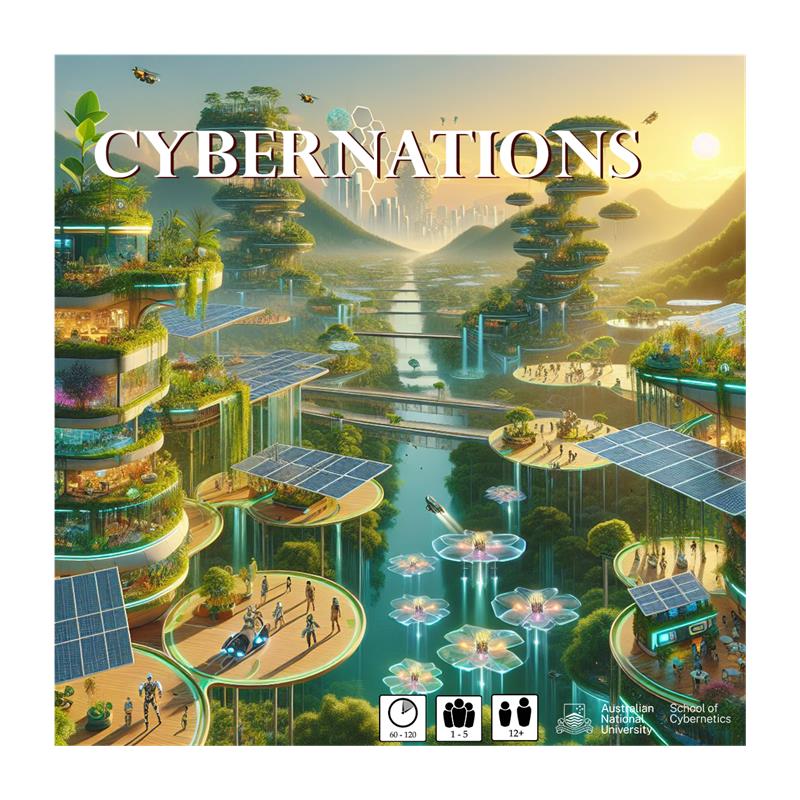
In CyberNations, 1-5 players take custodianship of a community for a generation, navigating change and disruptions to achieve multilayered goals. The world players create will be the starting point for the next group, promoting reflections about sustainability and intergenerational fairness.
CyberNations has been featured at SxSW Sydney 2025, PAX Australia 2025, and used in team development, undergraduate and postgraduate classrooms at the Australian National University.
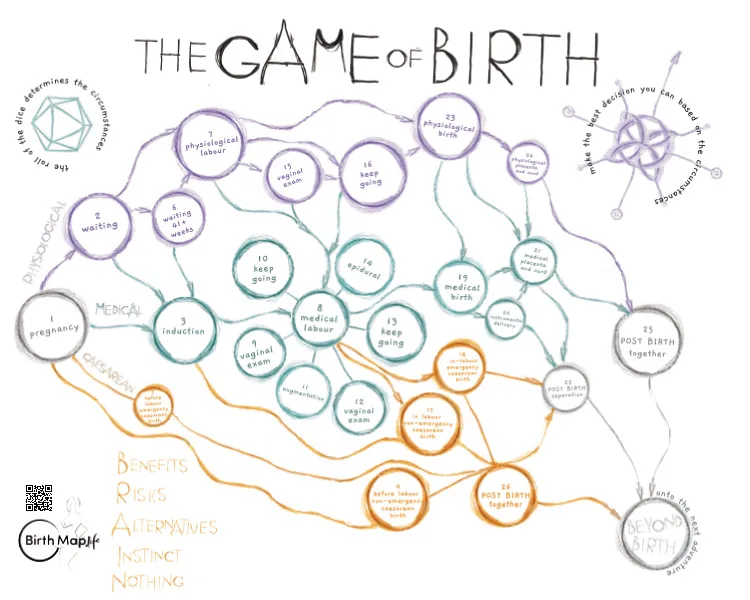
The Game of Birth: seeks to make “informed consent” truly informed, and to support and empower pregnant women in their birth journey.
Commissioned by and building on the work of Birth Cartographer Dr. Catherine Bell, this accessible digital game provides a platform –for both care providers and pregnant women– to jointly explore the options, risks and benefits in advance.
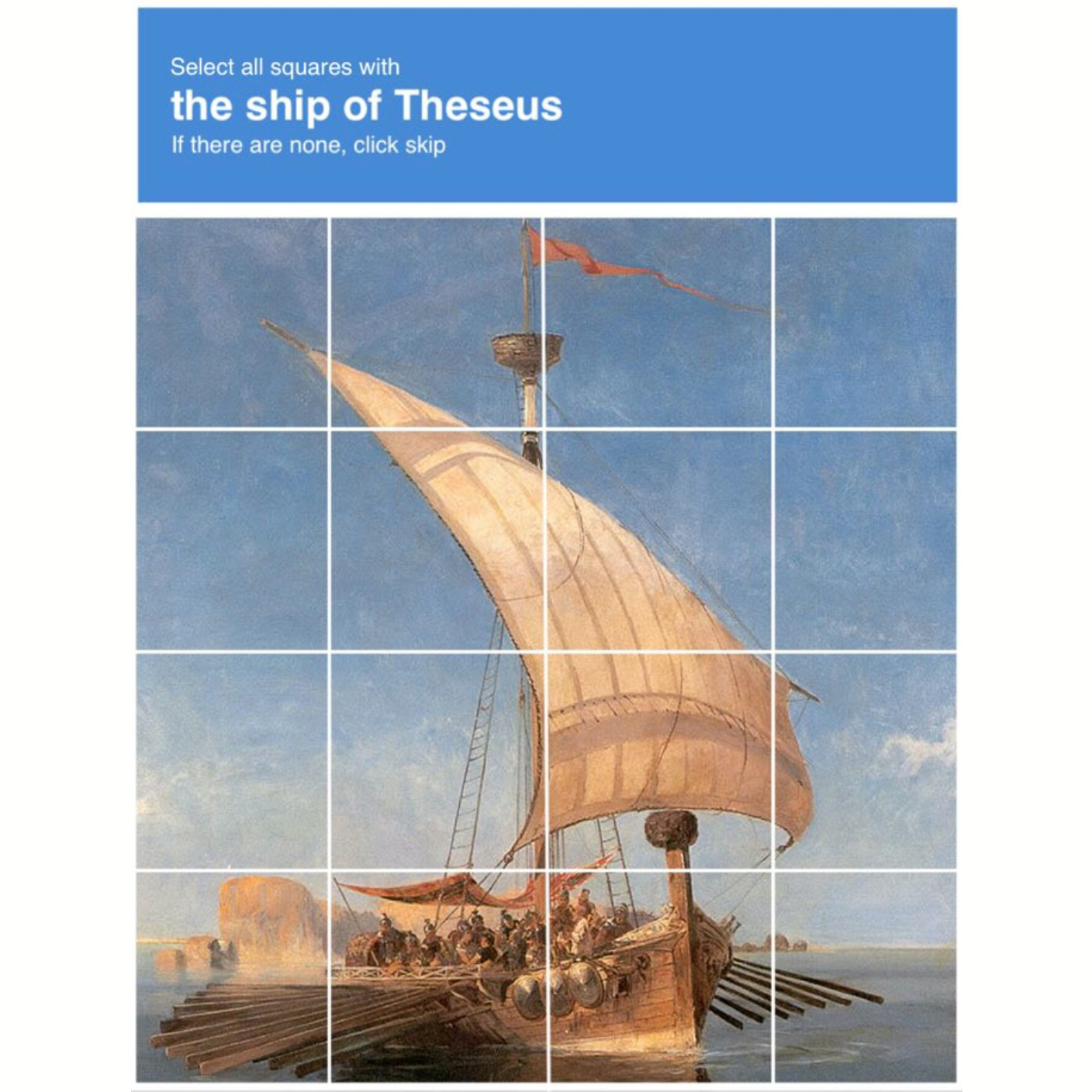
The Theseus Ship is serious game that provides a different way of experiencing the invisible but powerful systems that we all exist within, the way that worlds collide, and futures can be brought to life in new ways. It provides a safe space to surface different knowledge systems and positionalities as valuable enablers for hopeful and responsible futures shaping.
The Theseus Ship was launched at the 2026 Oceania Futures and Foresight Symposium in Meanjin (Brisbane).
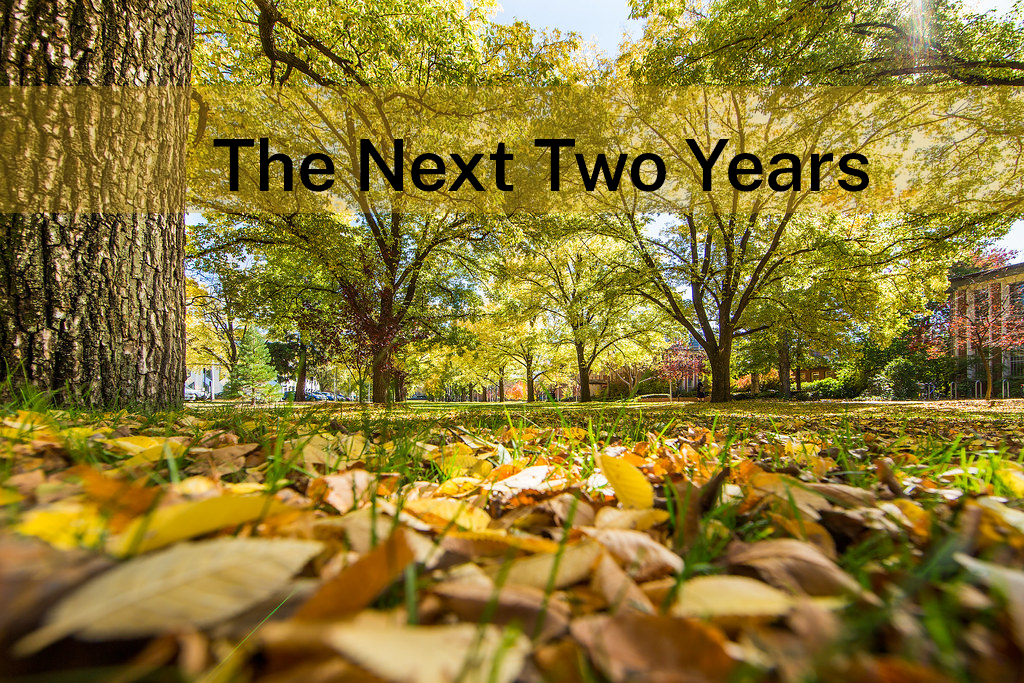
The Next Two Years is a collaborative world-building workshop that invites participants to share candid perspectives on the near-future evolution of their organisation. The Next Two Years is an adaptation of the award-winning game, The Quiet Year, by Avery Alder.
The Next Two Years has been used as part of participatory planning and strategy co-design processes at the Australian National University in 2026.
Explore game design as a method for participatory system modelling.#
(games as metaphors, models and forms of communication)
This area involves developing workshop formats, facilitated learning experiences and physical artefacts to support diverse participants in exploring and steering complex systems. Current projects include:
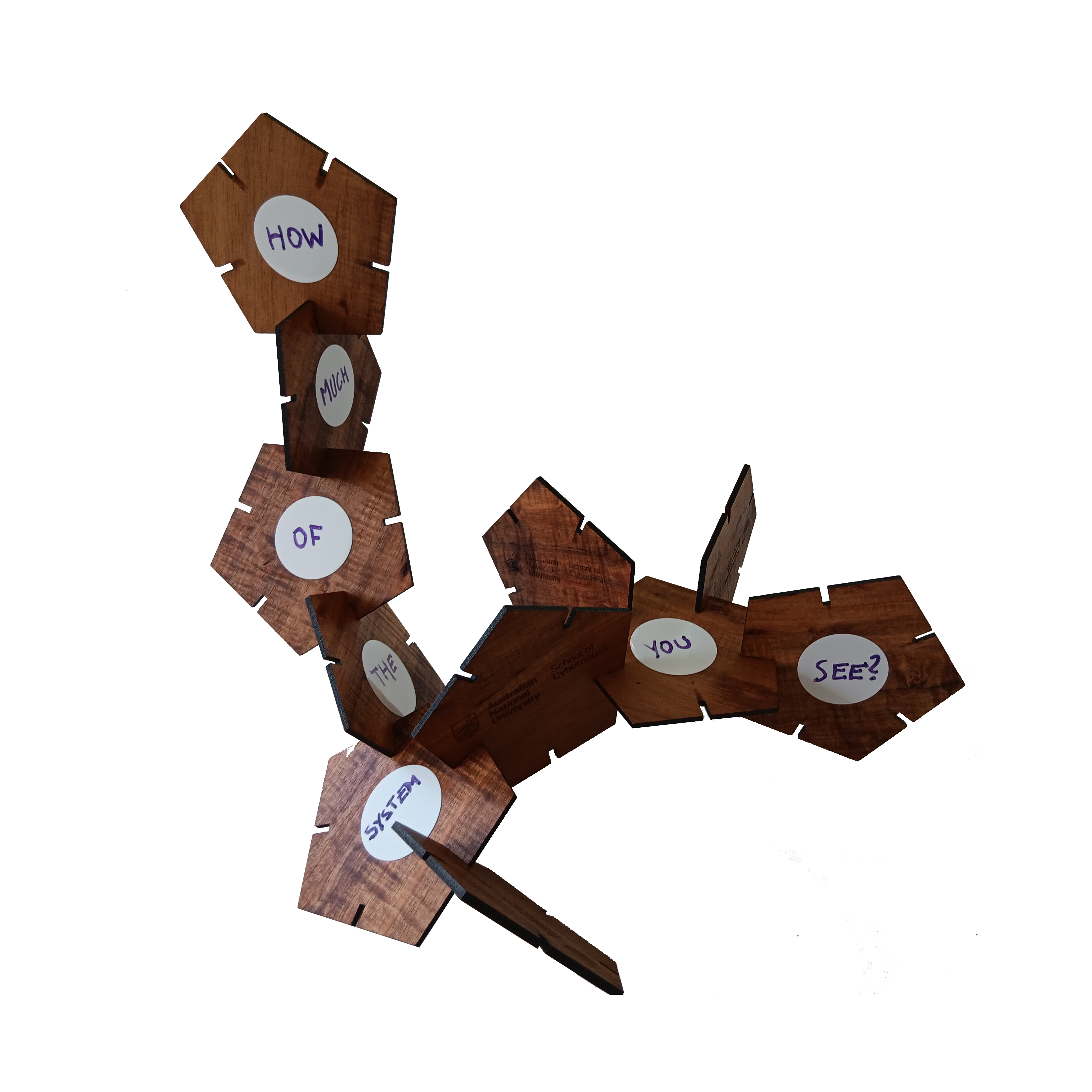
Cybernetic Futures Polygons : provide a tactile medium to express and negotiate diverse perspectives on a shared system of interest, its pasts, presents and futures.
Through facilitated activities, participants generate engaging assemblages that invite them and future audiences to consider the dynamics at play in the system, and points of leverage for critical action.
The Cybernetic Futures Polygons have been used in Learning Experiences and Complexity Leadership Lab at the Australian National University.
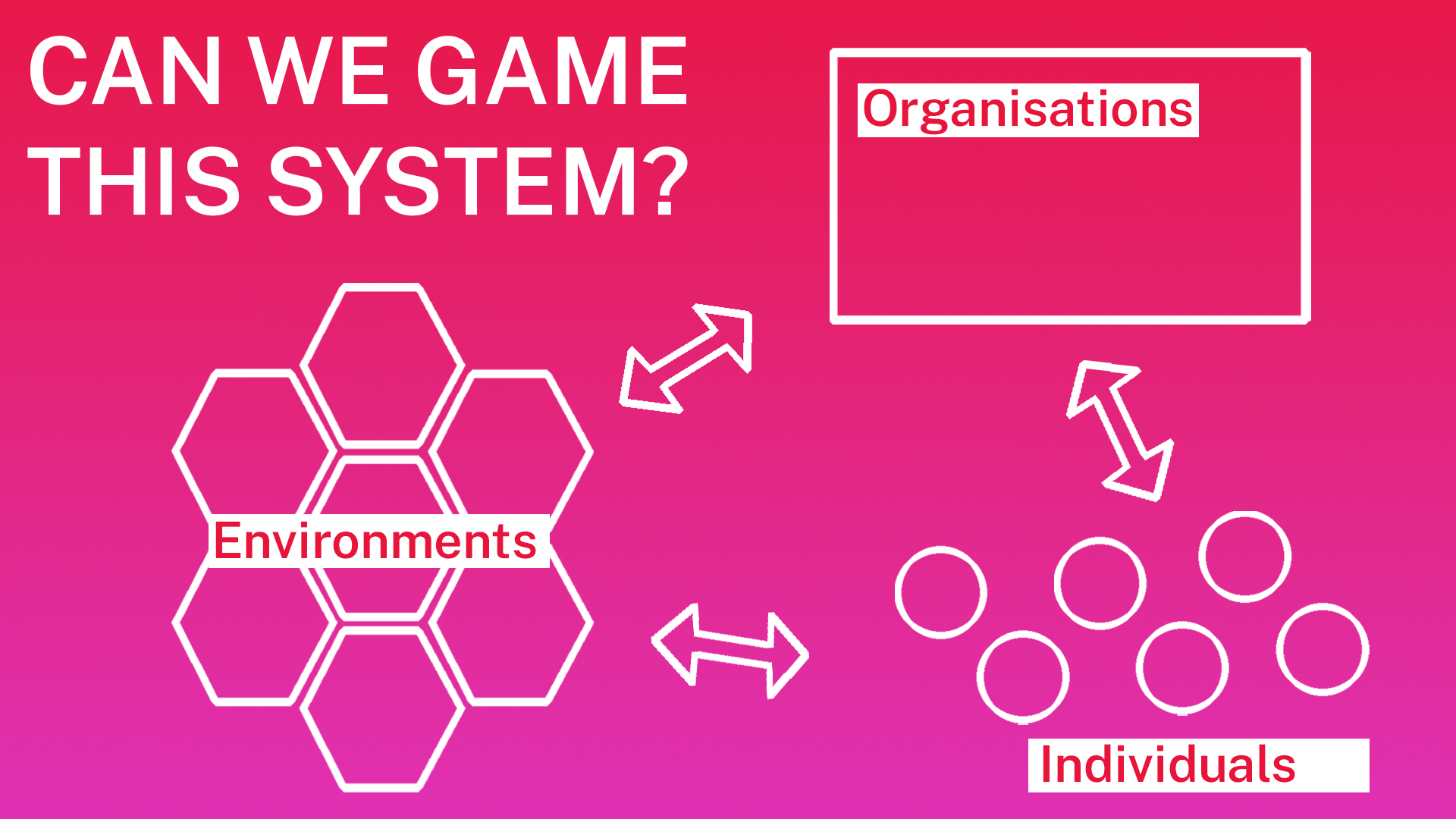
Can we game this system ? A participatory workshop format to introduce participants to systems analysis and steering through the lens of game design.
The iterative process invites participants to identify and model the major dynamics of the system of interest, using game design as metaphor.
21th century leadership is a multiplayer game#
Both these areas of focus are highly collaborative, and are made possible by partnerships with industry, government, academia and civil society.
If you are an individual or organisation interested in developing, testing or applying gameful methods and tools to foster creative exploration of systems and participatory leadership in complexity, contact Thomas Biedermann.