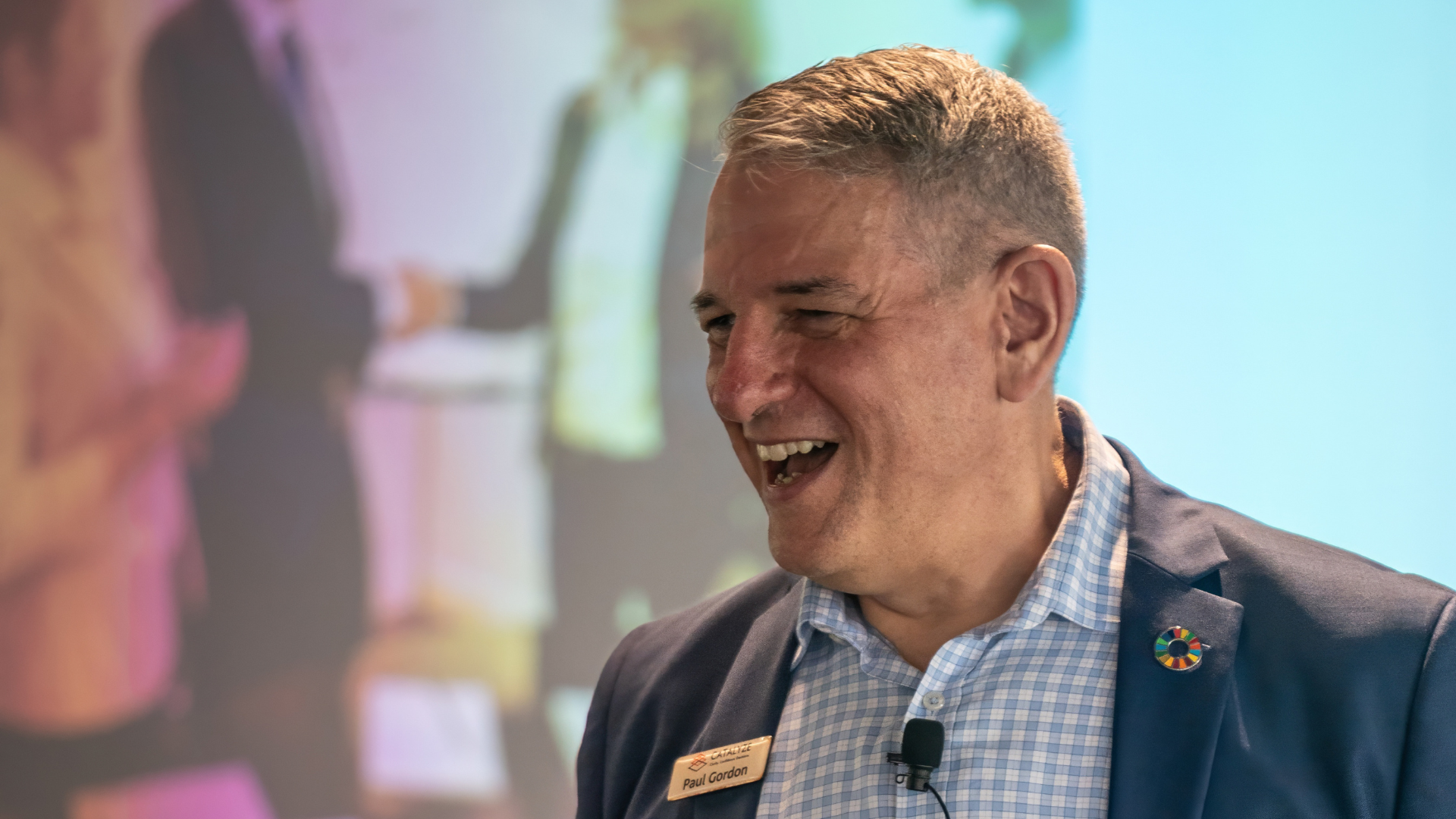
Paul Gordon is a decision analyst and scientist, fellow of the Society of Decision Professionals, and the CEO and Technical Director of Catalyze APAC.
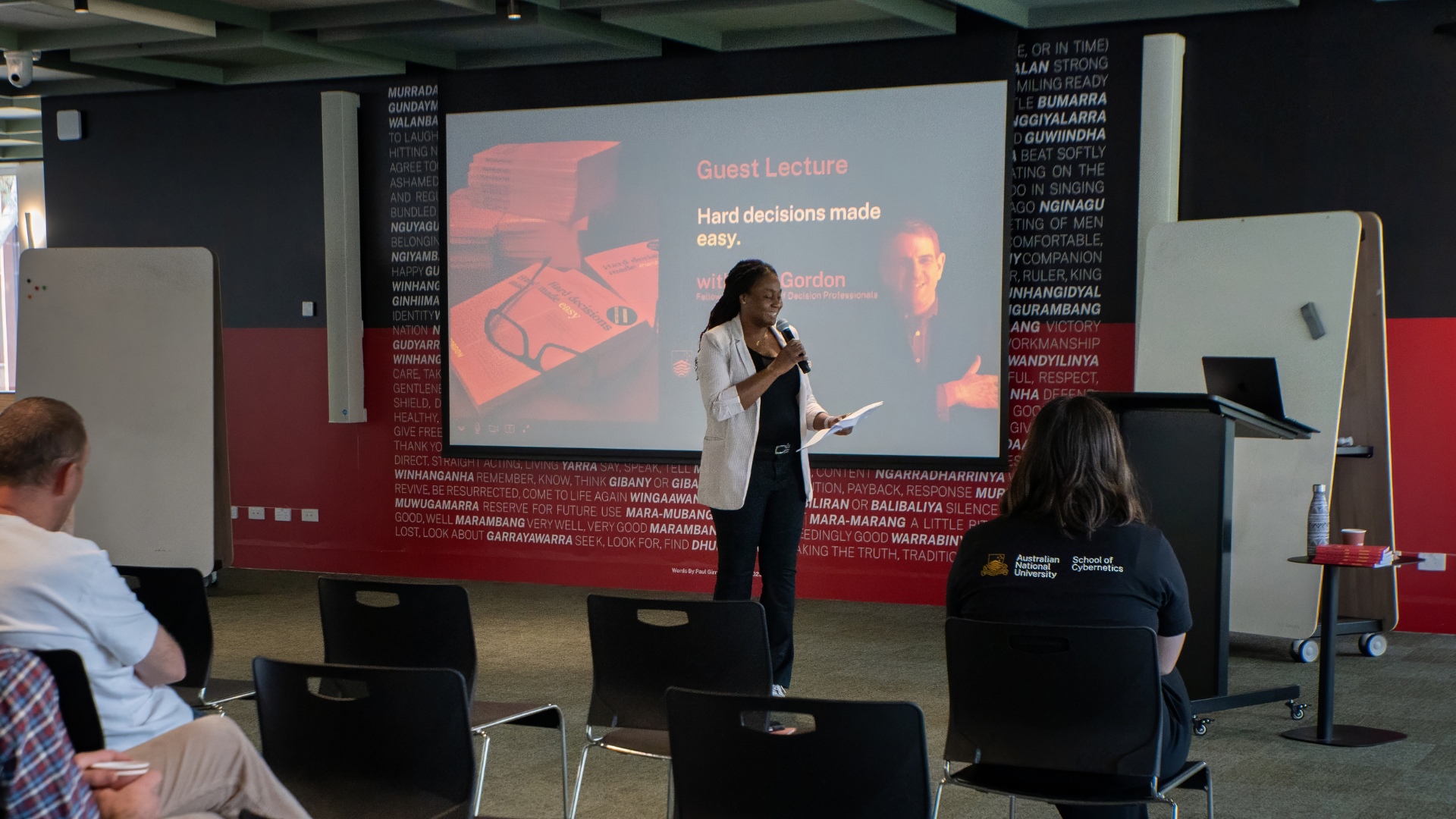
Paul joined us here at the ANU School of Cybernetics for a guest lecture providing industry insights toward a more conscious and present decision-making pathway, with the help of some key principles.
But why focus on decisions making?
Because we make 35,000 decisions a day.
That’s almost as many decisions as breaths.
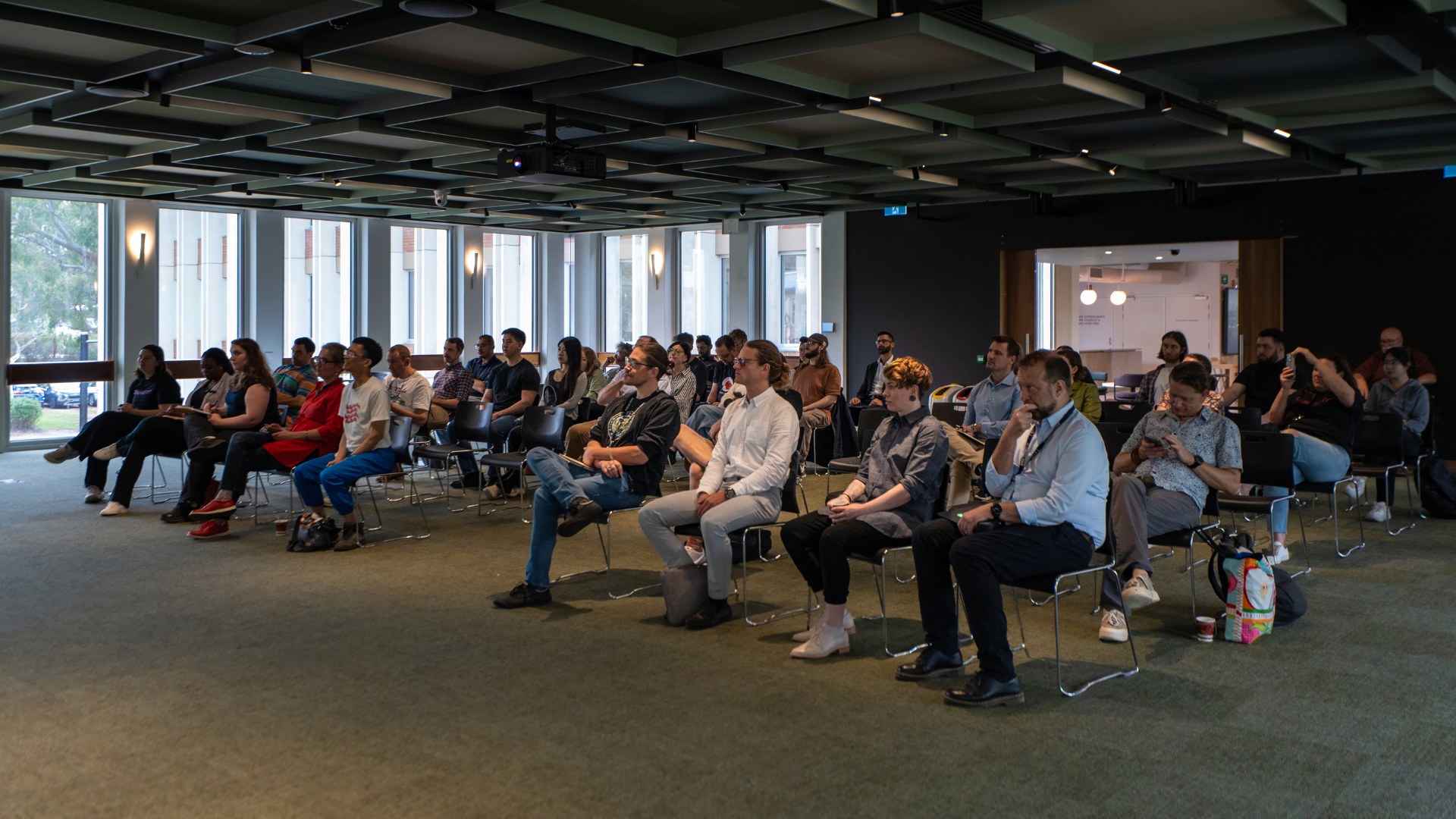
Paul argues that decision-making is the new breathwork, and that bringing consciousness and presence to our decisions will give us a much greater chance of making satisfying decisions that lead to the outcomes we want.
Often, Paul says the very thing that holds us back from making a decision is the point of making the decision in the first place: the consequence or, the outcome.
We get worried that we’re not making the most optimum choice. But of course, not making a decision is in itself a choice.
Paul tells us that it’s not indecision that changes the world. It’s actions, actions that stem from decisions.
This brings us to Paul’s framework, known as decision thinking. This is a way to think about decision making through a determined set of principles that can be applied across any decision.
Paul says this framework actually gives us more freedom in our decision making. It increases the structure, transparency, and collaboration behind our decisions, leaving us feeling confident in our choice. A central piece here is that this framework leaves us with decisions that are easily replicable and repeatable.
In times like today, Paul emphasizes the need for decisions to stay with humans. Though he says there are roles for AI to contribute to the process, the task of making the decisions and executing these decisions need to stay with humans. The human element here is necessary, says Paul because of authority, responsibility, and accountability.
To hear about the decision-thinking framework from Paul himself, join us in the video below to learn about the different components that make hard decisions easy.